
The Myth of Falling Housing Demand
Consumers aren’t walking away from homes; they’re walking toward better-calibrated solutions

It’s not that demand for housing is shrinking. It’s that the standard housing package no longer matches the market. That mismatch creates growing inventory, even as consumer need continues to climb.
In any other industry, we’d call this what it is: a market in transition. Vendors would be expected to retool, recalibrate, and deliver what consumers actually want.
I don’t come from the public sector.
I’m a private sector guy with decades of professional experience in consumer-facing product development (Xerox, Tektronix, etc), and I believe that housing should be no different.
In other words: I don’t believe it’s the government’s job to fix the issue, indeed it’s my explicit conviction that this problem exists due to government intervention.
Without getting to deep: the government tends to reward developers who perpetuate non-competitive practices that eventually find it more lucrative to resist innovations that might otherwise remain calibrated to consumer demand.
The result are “affordable housing” units that consumers no long have “the ability to afford.”
The Shift is Happening
The data already shows this shift in consumer behavior (sources: ResiClub, Deseret News, National Multifamily Housing Council, and Redfin).
Consumers are stepping away from purchasing the traditional single-home because it no longer makes financial sense; the package is often too large, and no longer delivers benefits that justify the expense.
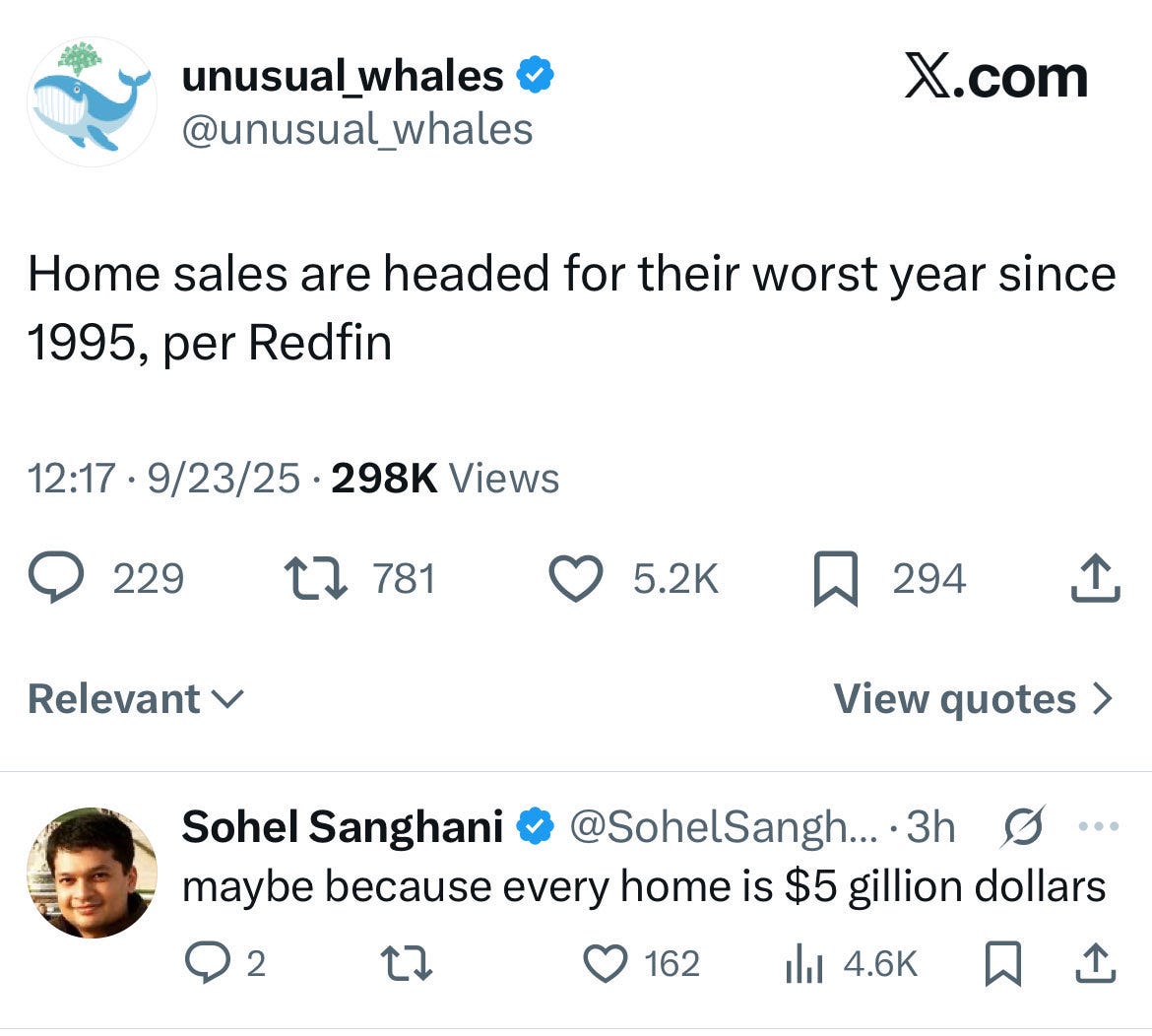
Instead of buying “McMansions for $5 gillion dollars,” they’re moving toward leasing, renting, and group living arrangements, but not as a concession (sources: Lilac, The American Institute of Architects, and Housing Forward Virginia).
They’re making this change in “consumer behavior” because they want to improve their quality of living by seeking amenities once reserved for “high-end living”:
trusted pet care
trusted child care
trusted elder care
community chores
shared resources
…and more.
They’re not walking away from housing because they’ve lost interest in it. They’re walking away because the math no longer adds up.
When the traditional single-family home becomes too expensive (with costs outpacing benefits) rational consumers look for ways to increase their bang for the buck.
What does a solution package look like? How do consumers get from “here” to “there”?
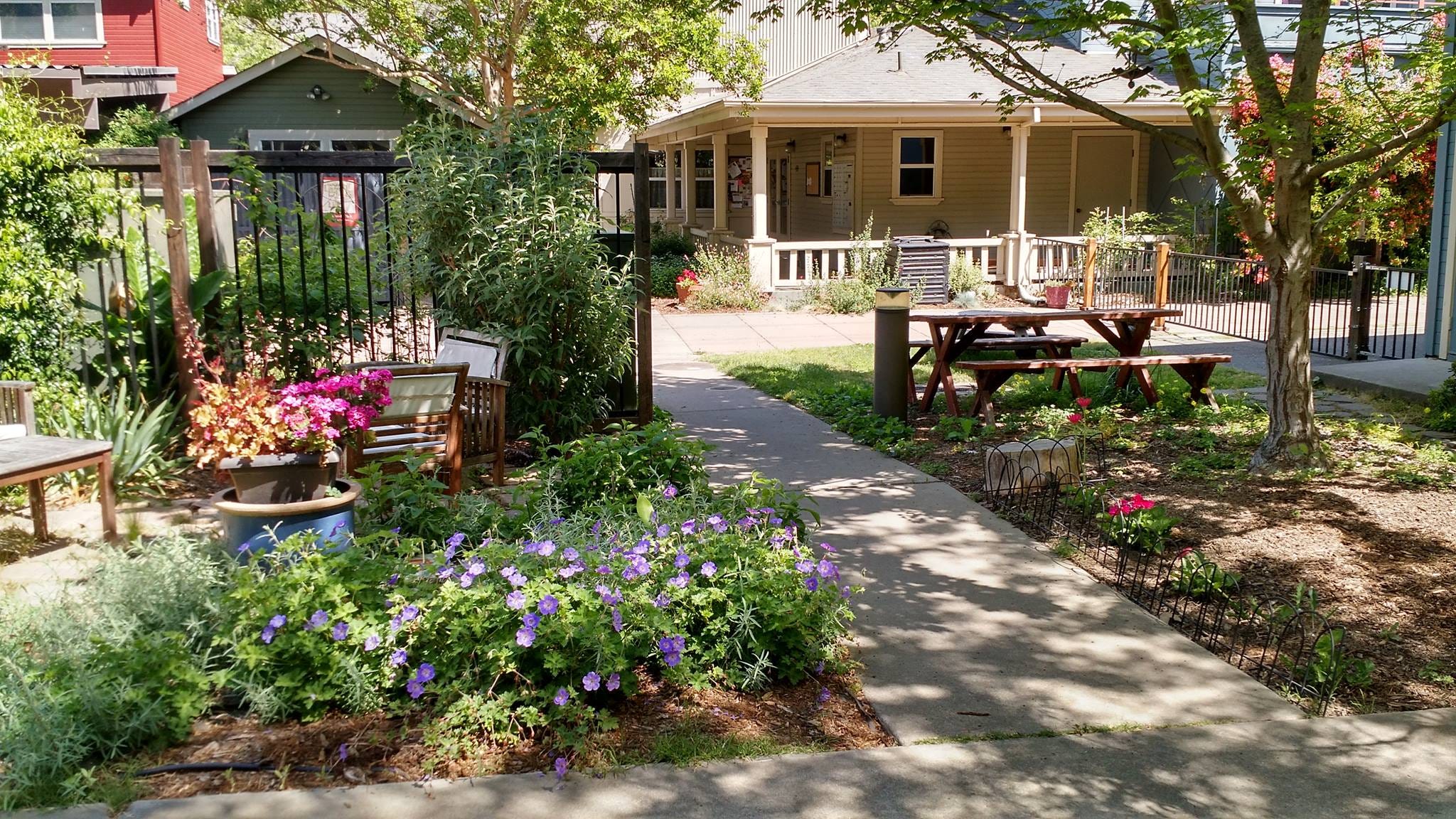
One path is co-housing.
People can join or create co-housing communities, and we often point them to the Intentional Communities directory (ic.org) as a place to start.
Another path is cohort building.
It’s possible that people aren’t able to pack up and move to a co-living or co-housing community. A solution is what some might call a “living cohort,” where people elect to collaborate with one another, even if they aren’t living in the same home or complex.

Right where they already live, people can form small groups of mutual benefit, sharing childcare, meals, elder care, and more. During COVID, we created Bene Esse to help households make that leap from isolated single-family living into collaborative, trust-based networks.
A third path is full community development.
This means formalizing a plan, creating an entity that provides jobs, wellness, education, food-as-health, and other shared amenities.
Our TerraCores model was built for exactly this purpose: to make intentional community both practical and scalable.
TerraCores are small, sustainable community pods that go beyond housing and create the ability to afford a sustainable life.
Each pod includes shared resources such as gardens, laundry, kitchens, energy, and gathering spaces that lower the cost of living. Residents co-govern using digital tools and participate in a local economy that keeps money close to home.

TerraCores are designed to stimulate and create local jobs, all the way down at the household scale, keeping value within the community.
At the heart of a TerraCores community, families and neighbors gather together for kitchen table conversations that build trust, resolve conflict, and pass on wisdom.
TerraCores allow communities to flourish in a way that is personal, connected, and deeply affordable.
How Do We Do That?
Working with our fiscal advisors, we’ve built a better funding mousetrap, one that takes full advantage of existing programs offering zero-interest loans to nonprofits, especially “human service providers” supporting the developmentally disabled, veterans, paraplegics, the elderly, and more.
This approach lets us help clients structure themselves to secure capital while launching self-sustaining entities that keep the lights on and the kids fed, even when times get hard.
Do You Have an Idea That “Fits”?
We know we don’t have all the answers. What we do know is that the best solutions come from people who are willing to share their ideas, test them, and refine them together.

If you’ve been thinking about how to make housing more practical, how to stitch trust back into daily life, or how to build something that lasts when times get hard; we’d like to hear from you.
Bring us your good ideas. Schedule a conversation.
Let’s make sure you succeed with them.